23 Things I’ve Learned After Writing 11 Novels
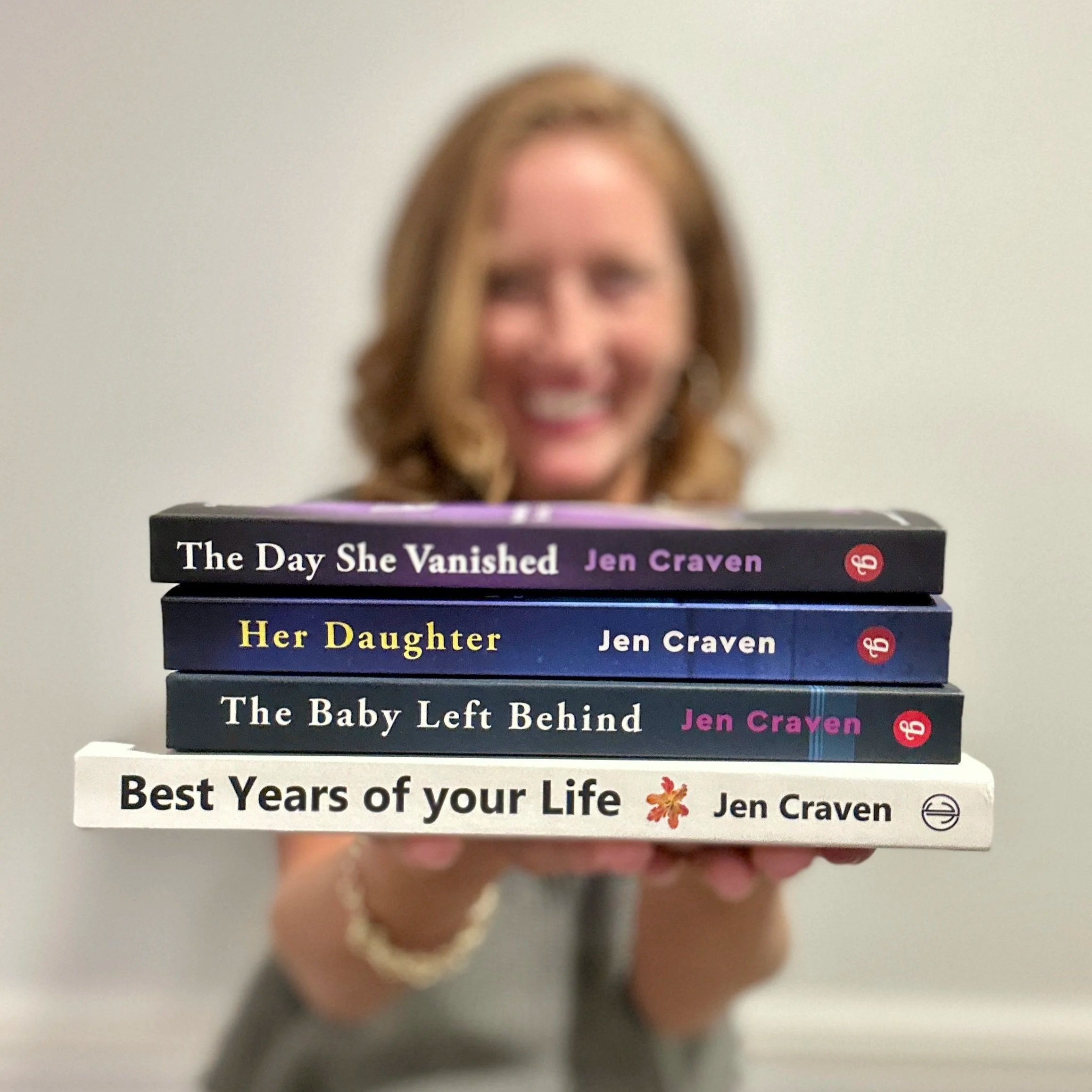
Seven years and eleven novels later, I've learned a lot about writing. Some lessons came from craft books. Some came from making avoidable mistakes. Some showed up spontaneously when I least expected it.
I'm not claiming to have everything figured out. If anything, every book reminds me how much I still have to learn. But if I could go back and hand my pre-published self a cheat sheet, it would probably look something like this.
1. Write the shitty first draft. Seriously.
Don't edit every sentence as you go. Don't spend forty-five minutes rewriting Chapter One before you've finished Page Two. Get the draft down first. Future You can fix it. Present You has a book to finish.
2. Keep a running list of character names.
Especially minor characters. Nothing humbles a writer quite like realizing halfway through revisions that the waitress from Chapter Three was named Megan, Madison, and Melissa depending on the scene. Or having to dig back through two hundred pages to find where you mentioned what the gas station attendant’s name tag said.
3. You can't overuse "said."
Readers are practically trained to ignore it. Over-the-top dialogue tags can be distracting. Sometimes simple is better.
4. Cover design matters more than you want it to.
People absolutely judge books by their covers. They shouldn't, but they do. If you're indie publishing and design isn't your skill set, hire a professional. A great cover won't sell a bad book, but a bad cover can absolutely stop people from clicking.
5. Formatting your own book is awful.
I wish I had a more inspiring takeaway here. Formatting ebooks and print files is one of those tasks that somehow takes three times longer than expected and produces four times as many headaches. Prepare accordingly. (Note: many indies use and love Vellum. I, unfortunately, am dedicated to my PC, which doesn’t support the software.)
6. Consistency beats motivation.
Motivation is wonderful when it shows up. Unfortunately, motivation is often out getting coffee somewhere while deadlines are approaching. Show up anyway. Put your butt in the chair.
7. Read widely.
Read inside and outside your genre. Every book teaches you something—whether it's what to do, what not to do, or a reminder that there are a thousand different ways to tell a story. Just READ.
8. Kill your darlings.
Sometimes the beautiful scene, clever line, or brilliant subplot you love most is slowing the book down. It hurts. Delete it anyway. (You can save it in a separate document and revisit to make yourself feel better. Or, use deleted material for bonus content!)
9. Be strategic with backstory.
One of my earliest mistakes was explaining too much too soon. Readers don't need a character's entire life story in Chapter One. Start your book in medias res (right in the middle of the action).
10. Prologues are fine.
I don't know who appointed themselves President of the Anti-Prologue Society, but I disagree. Sure, there are bad ones out there, but if done well, a good prologue can be magic.
11. Beta readers are not optional.
And no, your mom saying "I loved it!" is not the same thing. Find people who read your genre, will be honest, and aren't afraid to point out problems. Then listen to what they're saying and check your ego at the door.
12. Three-act structure is a tool, not a law.
Understanding story structure is valuable. That doesn't mean every book has to fit perfectly into a template. Don’t stress yourself out over hitting so-called percentages.
13. Outlining can save you an absurd amount of time.
I know. Some writers just gasped (pantsers, I’m talking to you). Whether you outline heavily or lightly, having some kind of roadmap can prevent you from writing yourself into a dead end, or wandering so far off base that you have to backtrack. No one has time for that.
14. Craft books are worth the investment.
There are very few shortcuts in writing, but learning from people who've already solved problems is close. One of my favorites is The Emotion Thesaurus. It's been sitting within arm's reach of my desk for years.
15. ARC campaigns require realistic expectations.
Some readers will enthusiastically sign up for advance copies. Some will read and review. Some will disappear into the void, never to be heard from again. This is normal. It sucks, but plan for it.
16. Marketing is a necessary evil.
Most writers would rather be writing than promoting. Unfortunately, books don't magically find readers. Today’s publishing landscape is wildly crowded. It takes effort to get your book seen. The days of writers just being writers is long gone, I’m sorry to say.
17. Treat this like a business.
Even if writing started as a creative hobby, publishing involves budgets, timelines, branding, production schedules, and long-term decisions. The sooner you start thinking like both an artist and a business owner, the better.
18. There is no single "right" publishing path.
Traditional publishing. Indie publishing. Hybrid careers. Small presses. You'll meet people convinced their path is the only legitimate path. They're wrong. Choose the route that aligns with your goals.
19. Sometimes strangers cheer louder than people you know.
This one surprised me. Some of the most enthusiastic support I've received has come from readers I've never met. That's not a criticism of friends and family. It's just the reality that not everyone in your life will be as invested in your writing journey as you are.
20. Creativity comes in seasons.
Some months the ideas won't stop. Other months you'll stare at a blinking cursor and wonder if you've ever had a creative thought in your life. Both seasons are normal.
21. Your book isn't for everyone.
And that's actually good news. The goal isn't universal appeal. The goal is finding the readers who love the specific thing you're creating.
22. You'll encounter literary snobs.
Some people will look down on genre and commercial fiction. I say, f*ck off. Write what excites you. Let them be grumpy somewhere else.
23. Fantasizing about success is part of the fun.
Maybe it's a movie adaptation. Maybe it's seeing your book in an airport. Maybe it's the New York Times list. Or Reese's Book Club. Or a streaming series starring actors you've already mentally cast. Will all of those things happen? Probably not. Is it fun to imagine them while folding laundry? Absolutely.
*
After eleven novels, the biggest lesson I've learned is that nobody really knows what they're doing all the time. Every one of my books presented new challenges. What I can say for certain, having been both indie and trad published, is that every publishing path comes with tradeoffs. In the end, we write because we love storytelling—and that is the central reminder I keep close when I’m about to start a new project.
So, what’s the big takeaway here? It’s actually good news. You don't need perfect knowledge to write a novel. You just need to keep showing up, keep learning, and keep putting words on the page (preferably not while obsessively editing Chapter One for the fifteenth time).